Industrial lagers
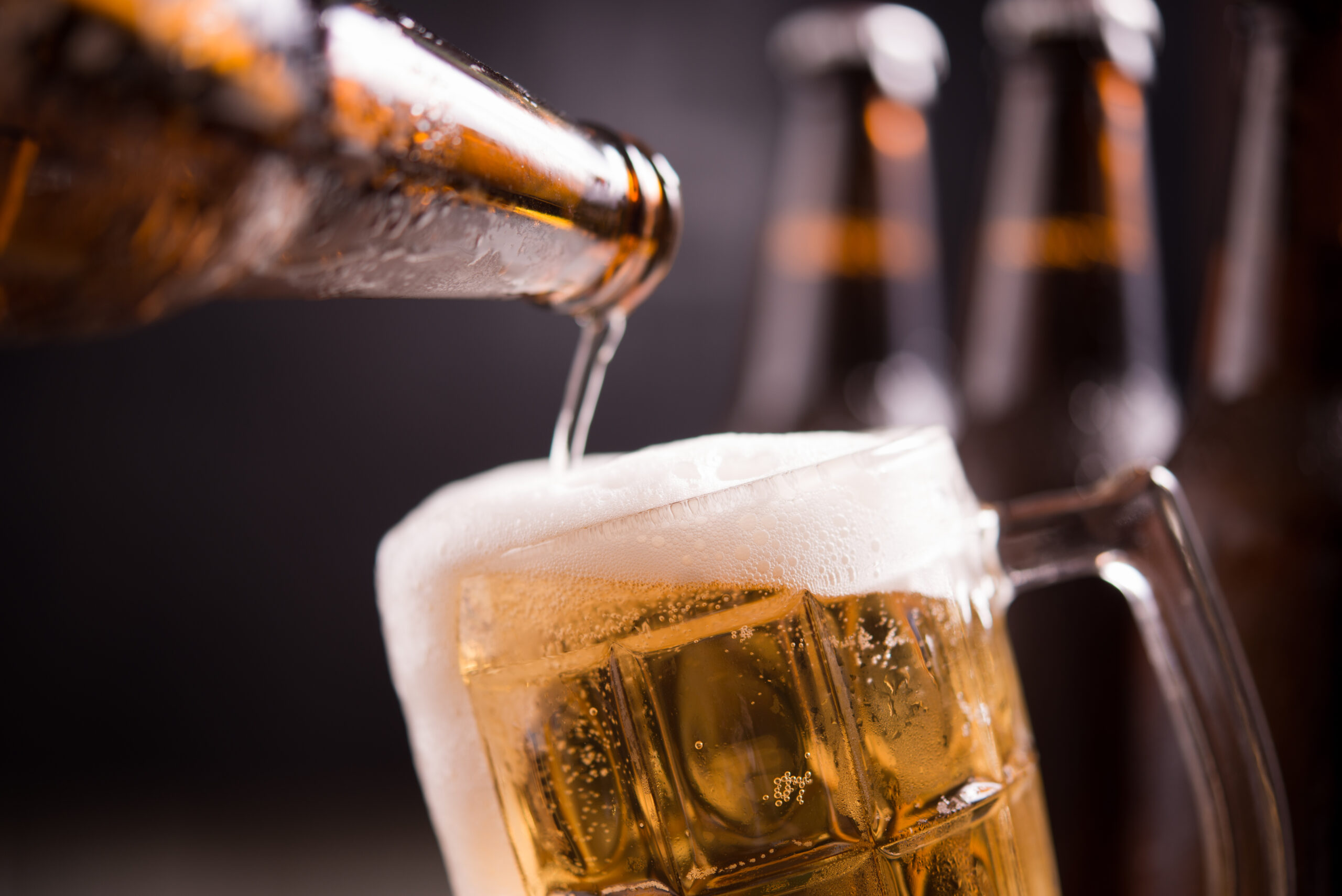
However encouraging the last couple of decades may have been for consumers trying to access interesting beers, around 90% of the beer we drink comes from a narrow range of relatively dull styles ...
read more →
EBCU STYLE GUIDE
Welcome to the most comprehensive guide for consumers to the growing range of beer styles found across Europe and beyond.
The Style guideA beer style is a cluster of beers with common features that distinguish them from all others. These may relate to their ingredients, the methods of brewing, fermenting or conditioning, their alcoholic strength, or in a few cases, simply the way they are served …
Learn MoreIf you are just starting your beer journey, you may want to delay this part. Instead go and find a few specialist shops and beer bars, try a lot of different beers, work out what you like, then come back and see what makes sense …
Learn MoreHistorically, lagers and ales differed in a wide variety of ways, mostly involving the type of yeast used and the temperature and timing of fermentation and conditioning. In contemporary brewing the differences are rather more theoretical than practical …
Learn MoreHowever encouraging the last couple of decades may have been for consumers trying to access interesting beers, around 90% of the beer we drink comes from a narrow range of relatively dull styles ...
read more →The same professional obsessive streak that a brewer must deploy when making an industrial lager is also needed, in a completely different way, when they aim is to create a lager brewed, fermented and conditioned…
read more →Back in 1975 the number of ales produced worldwide by commercial brewers was between five and ten thousand. Today, there is somewhere between a quarter and half a million. Ale brewing is where the craft…
read more →Certain types of beer are so different from the mainstream, and well known, that they deserve consideration in their own right, rather than simply as a type of ale or lager. They might even be…
read more →Most beer styles can be said to have come from somewhere, even if their original form may have become obscured by time. Some are far more clearly associated with an area, a region or a…
read more →The modern brewing practice of making beers taste of other things by adding them, owes little to historical brewing and much to advances in food technology ....
read more →