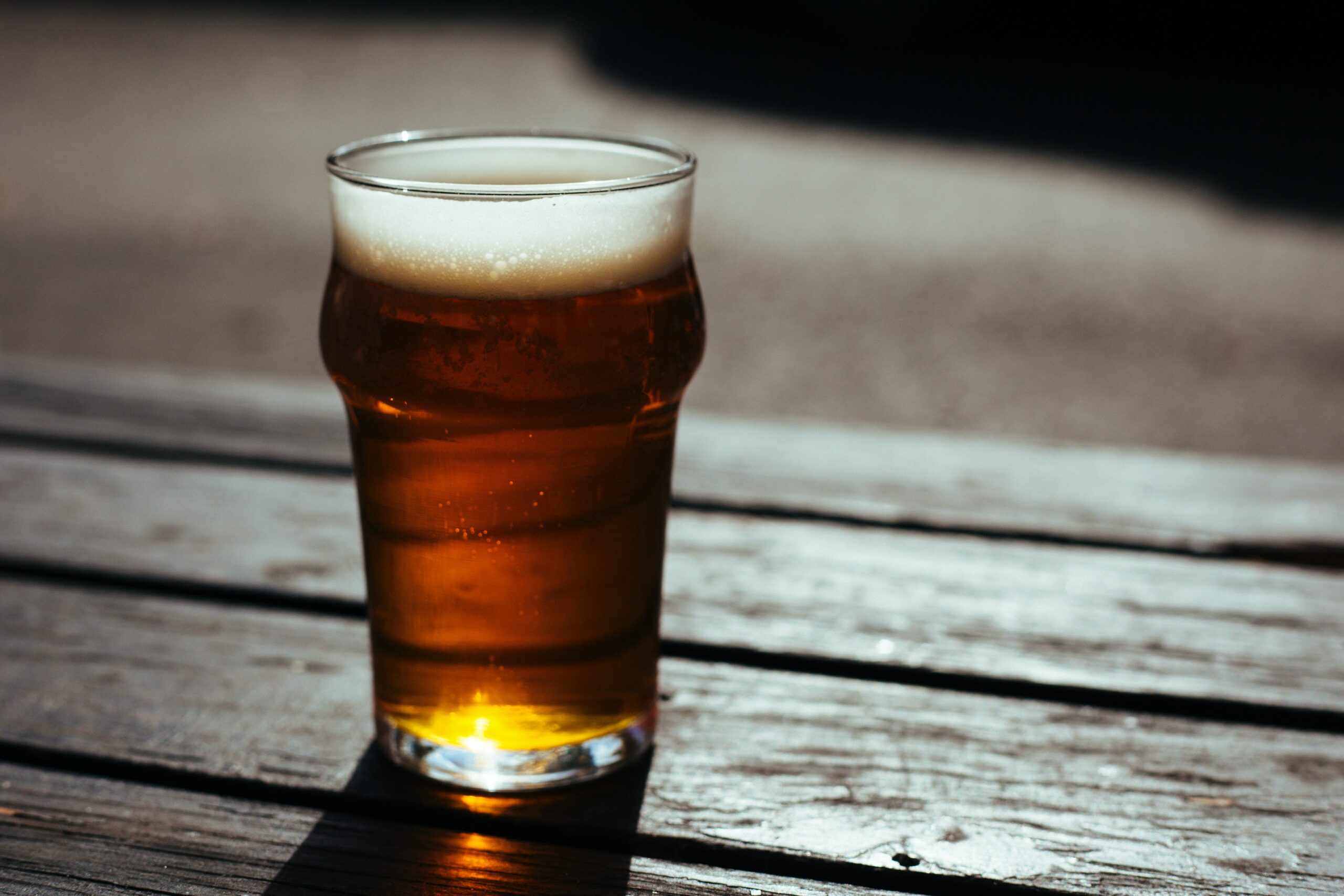
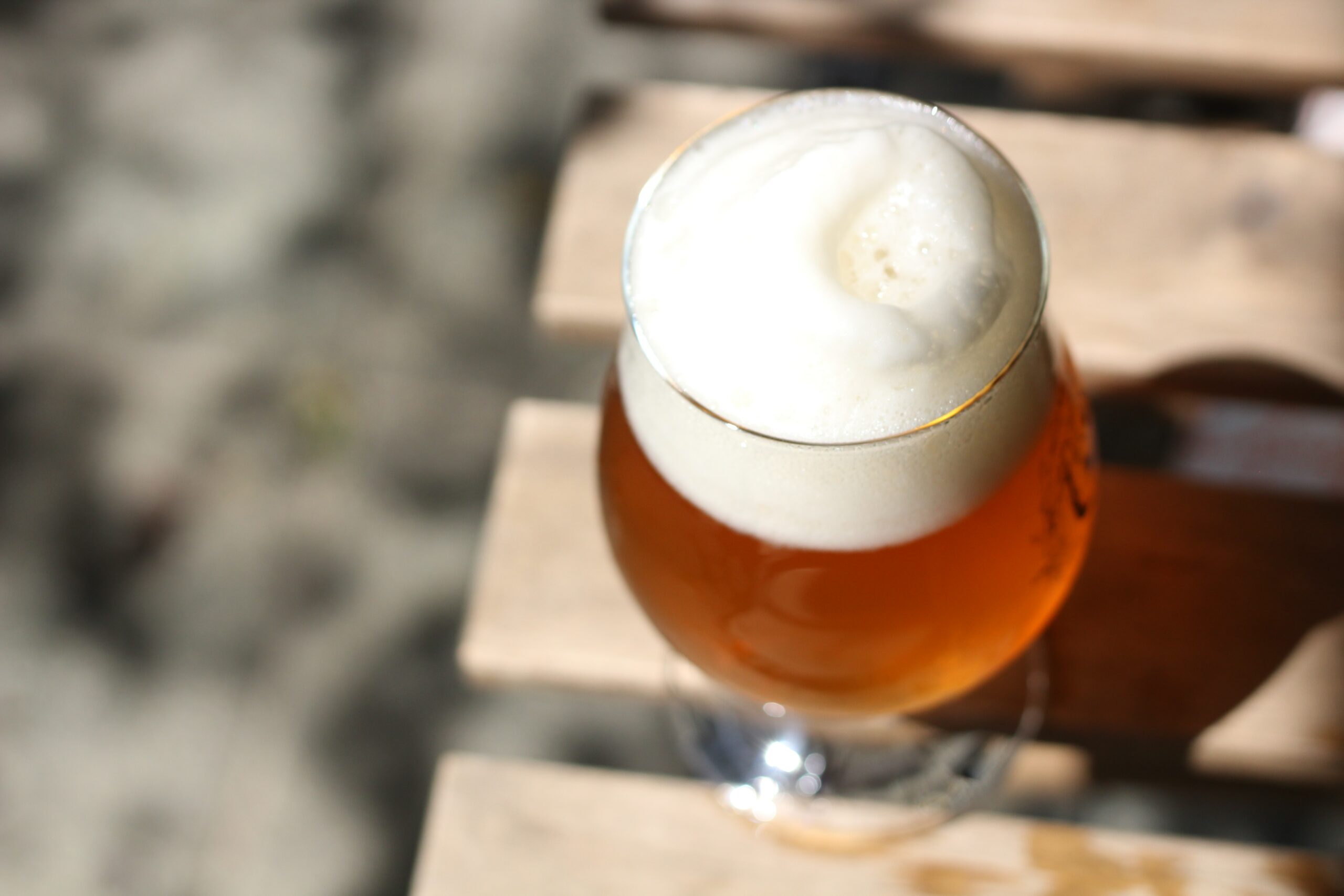
The original homelands of authentic blond lager cross the borders of the Czech Republic, Germany and Austria, though the global spread of the various related styles in the late 19th century led to a few classic examples being found in other European countries, and elsewhere.
Amber lagers
Beers had been lagered over summer for centuries in Alpine caves before the emergence of factory-made examples around 1840. The first few of this new breed pre-dated Pilsener by a couple of years and were darker, in varying degrees.
Dark lagers
In the same year that Anton Dreher first made an amber lager at his brewery near Vienna, his friend and colleague Gabriel Sedlmayer the Younger first made the first commercial dark one at his family’s Spaten brewery in Munich.
Stronger lagers
In the back catalogue of central European brewing is a cluster of styles of stronger lager, known collectively as Bockbier. While nowhere near as well-known as their lighter cousins, they have amassed respect both for range and for their quiet assertiveness
Other authentic lagers
While the heritage of cold-conditioned beers is not as many-layered as that of ales, there appears nonetheless to have been a tradition of lagering some beers that goes back to the 15th century, and it is likely that at least some of these beers will have been conditioned by self-selecting lager yeast.
Ales
Back in 1975 the number of ales produced worldwide by commercial brewers was between five and ten thousand. Today, there is somewhere between a quarter and half a million. Ale brewing is where the craft beer revolution happened.
Session-strength ales
The term session-strength beer, or session beer, originated in North America in the 1990s, and refers to beers of roughly 3.5 to 5% ABV, which in most cultures make up the largest part of beer sales, both in bars and the take-home trade …
Belgian session ales
Belgium is famed for its stronger ales, but also has a smaller heritage of lighter ones. Given its brewers’ reputation for inventiveness, the current vogue for lighter but tastier styles seems guaranteed to lead to more varieties emerging in the coming years.
English session ales
The classic form of draught ale in the UK is termed cask-conditioned. It is not a style as such but instead a unique and particular way of keeping beer, which rose to prominence between 1860 and 1885, and went on to become a passion for a sizeable number of British beer drinkers.